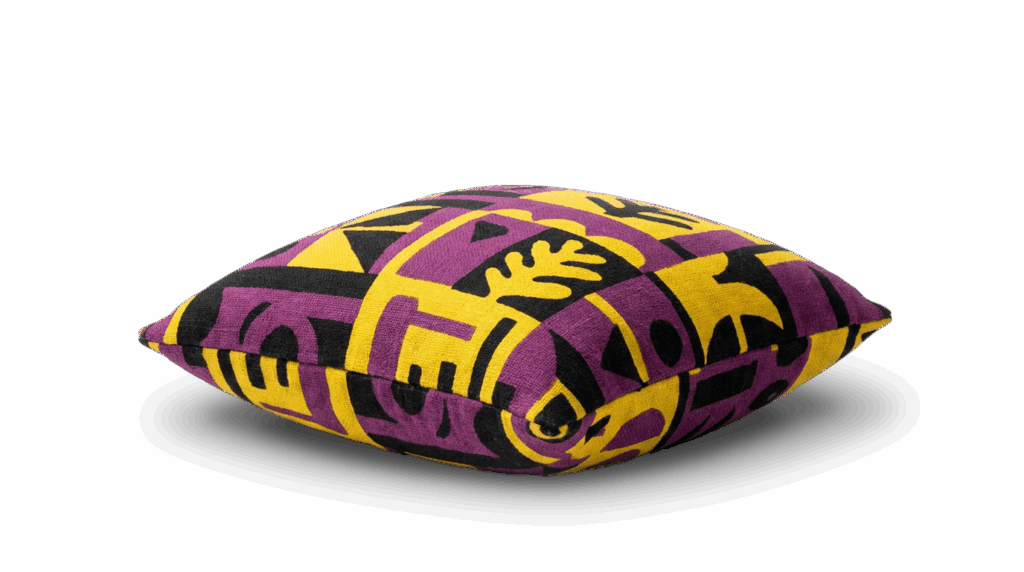
Cotton Fabric: Properties, Types, Care and Choosing the Right Weave
Cotton is the world's most-used natural fiber. Walk through any closet and you'll find it: T-shirts, jeans, bed linens, towels, dresses, and countless other staples. Its dominance isn't accidental. Cotton offers a rare combination of comfort, durability, breathability, and affordability that few other materials match.
This guide unpacks the properties that make cotton so versatile, the different weaves and weights available, and how to maintain cotton textiles so they last.
Why Cotton Is Everywhere
Cotton comes from the seed fluff of the cotton plant—those fluffy white bolls you've probably seen in images. The fibers are spun into thread, then woven or knitted into fabric. Most cotton is grown in warm climates; the plant needs substantial sunlight and heat.
The reasons for cotton's dominance are straightforward:
- Comfort. Cotton feels natural against skin. It doesn't sting or irritate, and wears soft from the first wash onward.
- Breathability. Cotton allows air circulation, making it ideal for hot weather and layers.
- Absorbency. Cotton can absorb around 20% of its weight in moisture without feeling damp or clinging unpleasantly.
- Durability. The inner structure of cotton fibers creates a strong, long-lasting material resistant to mechanical stress and chemical exposure.
- Easy care. Cotton is washable, colorfast (when dyed well), and improves with laundering.
- Versatility. One fiber can be woven or knitted into dozens of different fabric types, each with distinct properties.
Cotton's Key Properties
If you're choosing cotton for a specific application, understanding these characteristics helps:
- Wrinkles easily. Cotton fibers relax after washing, so cotton clothing requires ironing or careful line-drying to minimize creases.
- Can shrink. Heat and moisture cause cotton fibers to contract. Always wash cotton at low temperature initially, and avoid high-heat drying if you need precise sizing.
- Prints beautifully. Cotton's absorbent, receptive surface accepts dye and print inks evenly, producing vivid colors and fine detail.
- Stains are possible but manageable. Cotton absorbs liquids readily, so spills happen. Fortunately, most cotton stains respond to standard laundry treatment if addressed quickly.
- Softens with age. Unlike some synthetics, cotton improves over time. Each wash makes it slightly softer.
How Cotton Is Processed: Combed vs. Uncombed
Before spinning, cotton fiber quality is determined by a key processing step: combing.
Combed cotton is brushed before spinning to remove the shortest and finest fibers. This process takes more time and cost but results in higher-quality yarn with:
- Greater softness
- Improved strength
- Better color retention
- Longer lifespan
Uncombed cotton skips this step. The result is acceptable for many applications but less refined. Uncombed cotton is usually cheaper and fine for everyday basics where premium feel isn't required.
If durability and comfort matter—bedding, underwear, quality basics—combed cotton is worth the premium. For workwear or projects where cost is primary, uncombed cotton serves well.
The Major Cotton Weaves and Knits
The same fiber creates vastly different fabrics depending on how it's processed. Here are the most common types:
Jersey Cotton
Jersey is a knit, not a weave. A single thread is looped to create fabric with natural stretch and flex. Jersey comes in two main weights:
- Single jersey has loops on one side only, making it lighter and thinner. Ideal for T-shirts, summer clothing, and children's wear.
- Interlock jersey has loops on both sides, creating a thicker, denser fabric with more stability. Better for winter basics and structured pieces.
Jersey's stretch makes it forgiving for fit and comfortable for movement.
Twill Cotton
Twill is recognizable by its diagonal weave pattern. Two or more warp threads pass over and under the weft in a staggered pattern, creating the characteristic diagonal lines. Twill cotton is:
- Thick and durable
- Slightly textured
- Strong and wrinkle-resistant
Classic applications: jeans, work jackets, chinos, sturdy shirts. Twill works well for items that need structure and durability.
Percale Cotton
Percale is a tight, plain weave made from fine cotton thread. It feels crisp and smooth, with a slight sheen. Percale:
- Feels softer than standard cotton
- Wears exceptionally well
- Wrinkles readily but presses cleanly
- Takes color beautifully
Percale is popular for higher-end bed linens and quality apparel. It's premium-feeling and durable.
Cotton Sateen (Satin Weave)
Cotton sateen uses a weave that places weft threads over most warp threads, creating a lustrous, smooth surface that resembles silk. Cotton sateen:
- Feels silky and luxurious
- Has a subtle sheen
- Drapes elegantly
- Requires more careful handling than other cotton weaves
Sateen works well for garments where aesthetic appeal matters: dresses, blouses, linings. It's less durable than twill or percale, so it's not ideal for heavy-use items.
Flannel Cotton
Flannel is a plain or twill weave that is then brushed or napped on one or both sides, creating a soft, fuzzy surface. Flannel:
- Traps air, providing insulation
- Feels thick and cozy
- Softens wonderfully with use
- Sheds some lint initially
Flannel is classic for pajamas, winter shirts, and bedding. It's warm, comfortable, and affordable.
Cotton Renforcé
Renforcé uses a special weaving technique that packs threads more densely than standard weaves, creating fabric that is stronger and firmer than regular cotton. It's durable for heavy-use applications while maintaining the comfort of cotton.
Caring for Cotton
Cotton is remarkably low-maintenance. A few practices maximize lifespan:
First wash: Cotton fabric shrinks in heat and moisture. Wash new cotton items in cool water and air-dry (or low heat) for the first wash. This pre-shrinks the fabric so finished garments don't surprise you with size changes later.
Regular washing: Cool water (60–80 °F / 15–27 °C) and gentle detergent keep cotton looking fresh longer. Hot water accelerates fading and shrinkage.
Drying: Air-drying is gentlest. If using a dryer, use low or medium heat. High heat weakens cotton fibers and causes excessive shrinkage over time.
Ironing: Cotton wrinkles easily. Press while slightly damp for best results. Iron on medium-to-high heat; cotton handles heat well.
Stain removal: Address stains promptly before washing. Most common stains—food, dirt, grass—respond to standard laundry treatment. Avoid putting stained items in the dryer until the stain is confirmed gone; heat can set stains permanently.
Printing and Customizing Cotton
Cotton's absorbent nature makes it ideal for printing. Whether with digital methods, screen printing, or other techniques, cotton accepts color evenly and produces sharp, vibrant results. Custom-printed cotton can be:
- Designed with photographic detail
- Combined with complex color gradients
- Applied with precision using professional digital printing
- Washed repeatedly without significant fading (when using quality inks)
Professional digital printing on cotton uses water-based inks and a finishing process (steaming, washing) that bonds the color to the fiber, creating durable, long-lasting prints.
Choosing the Right Cotton Fabric
For your next project, consider:
- Use case. Clothing needs breathability and softness; heavy-use items (jeans, work wear) need twill or renforcé; delicate items benefit from percale or sateen.
- Climate. Light jersey or plain weave for warm weather; flannel or heavier knits for cold.
- Budget. Combed cotton costs more but lasts longer and feels better. Uncombed works for casual basics.
- Aesthetic. Sateen and percale feel premium; twill and jersey are casual and practical.
Custom Cotton Printing
When your design is ready, [link to Vivix Prints cotton fabrics] offers both standard and organic cotton options. Upload your artwork, choose your weight and weave, and we handle the printing and finishing.
Want to evaluate different cotton types before committing? [link to Vivix Prints fabric samples] and [link to Vivix Prints fabric book] include a range of cotton weaves so you can feel the difference between jersey, twill, sateen, and more.
Have questions about which cotton type suits your design, care requirements, or how your artwork will translate to fabric? [link to Vivix Prints contact page] — our team can help you find the perfect match for your project.