Understanding Rayon and Viscose: Semi-Synthetic Fabric Properties and Best Uses
Rayon occupies a unique place in the fabric world. It's not entirely natural, yet not fully synthetic. It wears like cotton and feels like silk. Historically called "artificial silk," rayon combines comfort with luxury — a combination designers and customers cherish. But this hybrid nature comes with specific care requirements and nuances worth understanding before designing with it.
What Makes Rayon Special
Rayon is a semi-synthetic fiber created by dissolving wood pulp — cellulose from sustainably managed forests — in chemicals, then reconstituting it into fiber form. The result is a soft, comfortable, breathable fabric with an elegant appearance.
The appeal is multifaceted:
Comfort — Rayon is genuinely soft and pleasant against skin. It lacks the stiffness some people associate with synthetics.
Luxury appearance — Despite affordable production, rayon has a sophisticated, luxurious look and drape comparable to silk.
Moisture management — Like cotton, rayon absorbs moisture well, staying cool and airy in warm weather.
Wrinkle resistance — Rayon resists creasing better than pure cotton, reducing maintenance.
These combined qualities explain rayon's widespread use in contemporary fashion.
Key Advantages of Rayon
- Exceptionally soft hand — Feels wonderful against skin
- Luxurious appearance — Elegant drape and sophisticated look
- Moisture absorption — Pulls sweat away and stays breathable
- Wrinkle-resistant — Maintains neat appearance without ironing
- Color retention — Holds dyes beautifully
- Versatile weight options — Available in light and heavy versions for different applications
Important Disadvantages
- Shrinkage risk — Rayon shrinks readily, especially in hot water or high heat
- Strength loss when wet — The fabric weakens when saturated; handle gently during washing
- Limited natural stretch — Not inherently stretchy; paired with spandex if needed for fitted garments
- Sustainability questions — Mixed profile due to chemical processing and forestry source
Proper Care for Rayon Garments
Because rayon's primary vulnerability is water and heat, care is critical for longevity.
Washing:
- Use a wool or silk wash program with maximum 30°C temperature
- Always check the garment label; some rayon is hand-wash only
- Wash gently; don't wring or twist
- Separate colors on first wash (rayon can bleed dye)
Drying:
- Tumble dry only on low heat, or air dry for best results
- High heat causes shrinkage
Ironing:
- Use low temperature if needed
- Iron while slightly damp for best results
- Test on an inconspicuous area first
These aren't complicated requirements, but they do demand respect. Rayon cared for properly lasts beautifully; mishandled, it deteriorates quickly.
Common Applications for Rayon
Rayon's combination of comfort, drape, and appearance makes it ideal for:
- Tunics and dresses — The drape is flattering; the luxury feel justified the price point
- Blouses and shirts — Sophisticated appearance with comfort for all-day wear
- Skirts — Elegant movement and visual appeal
- Underwear and loungewear — Soft, breathable, and luxurious against skin
- Sleepwear — Breathability and moisture absorption create comfortable sleep
- Children's clothing — Soft and safe for delicate skin
- Linings — Rayon's smooth surface and drape make it an excellent lining material
Rayon is direction-flexible; designers can take it formal or casual.
Rayon as a Printing Base
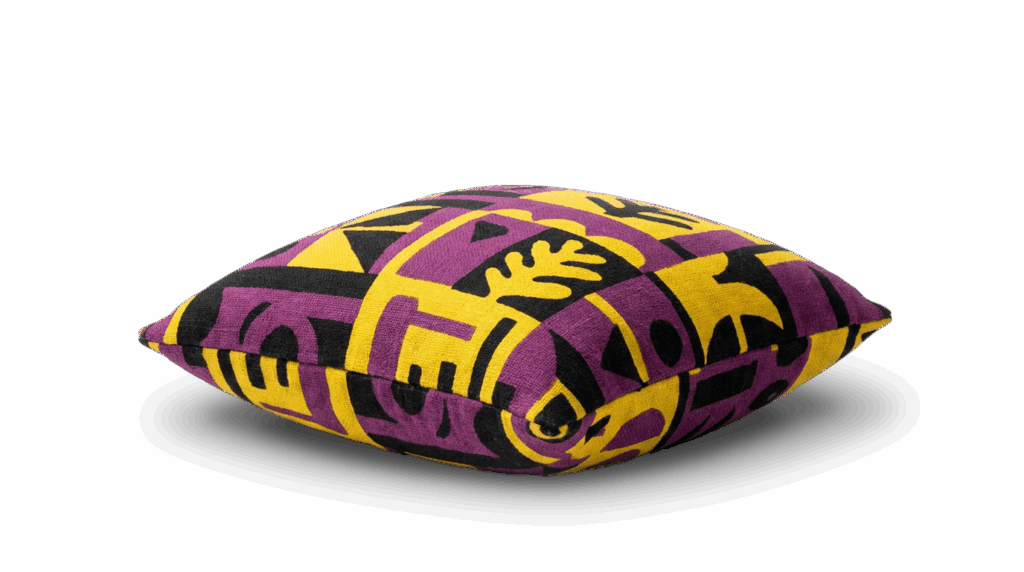
Rayon is remarkably suitable for fabric printing. The fiber retains color beautifully, and the elegant appearance of rayon is enhanced by thoughtfully designed prints.
Printing options include digital and traditional techniques. The smooth surface of many rayon fabrics — particularly viscose satin and drill — showcases printed designs with clarity and vibrancy. All-over patterns, photographic images, and detailed designs all work well.
At Vivix Prints, we offer rayon fabrics ready for custom printing. Our selection includes:
- Lyocell Satin Eco — lustrous, smooth surface with elegant drape
- Lyocell Drill — structured yet soft, with subtle texture
Both are available for custom digital printing via our design platform.
The Sustainability Question
Rayon's sustainability profile is mixed — neither villain nor hero.
Positive aspects:
- Biodegradable; it decomposes naturally unlike synthetics
- Made from renewable raw materials (tree cellulose)
- Production requires less water than cotton farming
- Lasts well; a rayon garment worn for years has lower environmental impact than fast fashion
Concerns:
- Chemical-intensive processing uses significant resources
- Wood sources matter; some rayon comes from endangered forest regions
- Not all production facilities operate with equal environmental responsibility
On the spectrum of sustainability, rayon fares better than virgin polyester but not as well as organic cotton or certified sustainable fabrics like lyocell.
Lyocell: A More Sustainable Alternative
If rayon appeals to you but sustainability is a priority, lyocell may be a better choice.
Lyocell is produced using a closed-loop system where solvents are recycled rather than released into waterways. It offers rayon's comfort, softness, and luxury appearance with significantly reduced environmental impact.
Lyocell retains the excellent color properties of rayon while addressing many of the sustainability concerns. The fabric is also more durable and has superior wet strength, addressing rayon's main weakness.
Making Your Fabric Choice
If you're drawn to rayon's aesthetic and don't have strict sustainability requirements, it's an excellent choice. The fabric works beautifully for sophisticated, elegant garments and home textiles.
If sustainability is paramount, explore lyocell alternatives or certified sustainable rayon sources. The fashion industry is improving; responsible production is increasingly available.
Getting Started With Rayon
Interested in designing with rayon or lyocell?
Order fabric samples — Our fabric book contains swatches of all available options. Feeling the hand of the material helps you make confident design decisions.
Upload your design — Use our design generator to submit your custom artwork.
Choose your fabric — Select rayon or lyocell based on your aesthetic priorities and sustainability considerations.
Start small — Order as little as you need to test your design. Scale up once you've confirmed the results.
Have questions about which rayon option suits your project, how your design will translate to the fabric, or care instructions for finished garments? [link to Vivix Prints contact page] — we're happy to advise and ensure you choose the right fabric for your vision.