What Is Crepe Fabric? Types, Texture, Care and Design Ideas
Walk into a formal wear section of any boutique and you'll encounter crepe: fluid, slightly crinkled, elegantly draping gowns and evening jackets. Look closer at luxury scarves and you'll find crepe's characteristic subtle texture. Crepe appears effortless and romantic, yet the technique behind it is precise and intentional.
This guide explains what makes crepe distinctive, which types exist, and when crepe is the right choice for your design.
Understanding Crepe: A Weave Technique, Not a Fiber
Crepe isn't a specific fiber like cotton or silk. Instead, it's a production method that creates a distinctive crinkled, puckered surface regardless of the underlying material.
The process centers on tightly twisting yarn during production. These twisted yarns are then woven (or sometimes knitted) into fabric. The tension in the yarn causes the fabric surface to pucker and wrinkle slightly. The result looks textured and organic, with subtle depth and movement.
Traditional crepe originated in China and was historically made from silk. Today, crepe can be made from silk, polyester, cotton, rayon, wool, or blends. The fiber choice affects the weight, drape, cost, and care—but the characteristic crepe texture remains consistent.
What Crepe Fabric Feels and Looks Like
Crepe's defining characteristics:
- Textured surface. The slight puckers and wrinkles are subtle, not exaggerated. The texture catches light beautifully, creating visual depth.
- Excellent drape. Crepe fabric falls gracefully, following the body's contours without clinging. This makes it flattering for structured garments and flowing pieces.
- Lightweight and breathable. The thin weave allows air circulation, making crepe comfortable in warm weather.
- No heat retention. Because it's so light and open, crepe doesn't insulate. It's a poor choice for cold weather.
- Moisture-wicking. The breathable structure moves moisture away from the skin, keeping you comfortable when temperatures rise.
- Fragile. This is the trade-off. Crepe's delicate construction means it requires careful handling. Most crepe needs dry cleaning or gentle hand washing in cool water. Machine washing is typically not recommended.
Common Crepe Fabric Types
Crepe comes in many variants. Here are the most frequently encountered:
Crepe de Chine
Originating in China, crepe de chine is lightweight and traditionally made from silk, though polyester versions offer a similar look at lower cost. Unlike some crepe varieties, crepe de chine has a smooth hand-feel despite its textured appearance—the puckers are visual, not tactile. It drapes beautifully and is popular for blouses, scarves, and elegant dresses.
Crepe Georgette
Soft and smooth, crepe georgette is made from silk or silk-like synthetics (rayon, polyester). Georgette is more elastic than most crepe types, allowing it to stretch and move with the body. It's the go-to choice for flowing gowns and evening wear. Georgette also accepts dye beautifully, allowing rich, vibrant colors.
Polyester Crepe
Polyester crepe offers crepe's texture and drape at an accessible price point. It's lightweight and thin, making it suitable for dresses, blouses, and tailored pants. Polyester crepe is also lower-maintenance than silk crepe (though still requires care).
Scuba Crepe
Scuba crepe is a polyester-spandex blend with crepe texture on the front and smooth stretch on the back. The spandex component adds elasticity while maintaining the crepe appearance. It's used for fitted dresses and structured garments where stretch improves wearability.
Plissé Crepe
Plissé crepe is chemically treated to create permanent, fine pleats rather than relying solely on twisted yarn. Usually made from cotton, plissé crepe combines the crepe texture with structured, dimensional folds. It's striking in evening wear and scarves.
Crepe Back Satin
This reversible fabric has satin on one side and crepe texture on the other. The contrast is intentional—garment designers choose which side faces outward based on the look they want. One side can provide satin's lustrous smoothness; the other offers crepe's textured elegance.
Crepe Charmeuse
Crepe charmeuse pairs the crepe-twisted yarn with a satin weave, creating fabric that is both smooth and reflective (like satin) while retaining crepe's characteristic texture. The result is elegant and sophisticated, popular for high-end evening garments.
What Crepe Works Best For
Crepe's properties make it ideal for:
- Evening gowns and formal wear. The elegant drape and refined texture are perfect for special occasions.
- Scarves and shawls. Crepe's fluid drape and lightweight structure make scarves float beautifully.
- Blouses and shirts. Crepe's breathability and drape create flattering, sophisticated silhouettes.
- Tailored pants. Crepe's structure holds shape while remaining comfortable.
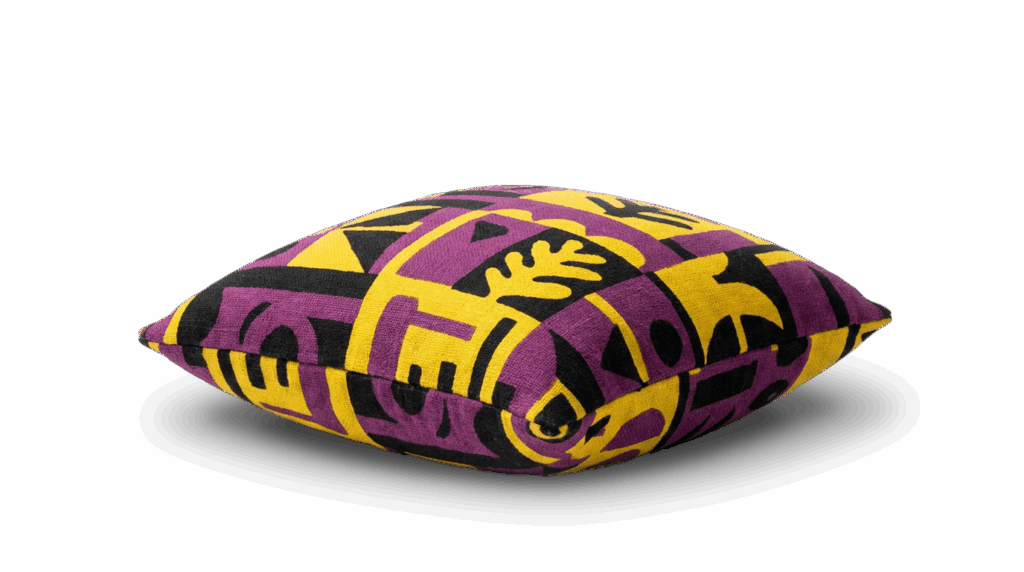
- Home décor. Crepe curtains and pillows offer texture and visual interest.
Crepe is less suitable for:
- Everyday casual wear. The delicate nature requires more care than typical daily clothing.
- Sportswear or activewear. The fragility doesn't suit high-movement activities.
- Cold-weather garments. Crepe provides no insulation.
Caring for Crepe
Crepe's elegance comes with care responsibilities. Most crepe:
- Requires dry cleaning. Professional cleaning is the safest option for preserving texture and color.
- Can sometimes be hand-washed. Check fiber content and care tags. Some polyester crepes tolerate gentle hand washing in cool water with mild detergent.
- Should never go in the machine. Agitation damages the delicate surface.
- Should be dried flat or hung. Machine drying risks permanent damage.
- Benefits from minimal handling. Store crepe carefully and avoid rough treatment.
The more delicate the fiber (silk, rayon), the more carefully it needs to be handled. Polyester crepes are somewhat more forgiving.
Designing and Printing on Crepe
Crepe's textured surface accepts print beautifully. Custom designs on crepe fabric showcase detail while the texture adds visual interest and depth to the print. Digital printing on crepe allows for:
- Complex multi-color designs
- Photographic detail
- Fine gradients and subtle color transitions
- Precise artwork reproduction
The key is working with a printer experienced with crepe, as the textured surface requires careful ink application and finishing to ensure proper color saturation and durability.
When to Choose Crepe for Your Project
Consider crepe if you're designing:
- Special occasion garments where elegance and drape matter more than durability.
- Scarves and accessories where lightweight, luxurious feel is key.
- Sophisticated, high-end pieces where customers expect and accept careful care.
- Designs where texture enhances the visual appeal of your artwork.
If durability, ease of care, and everyday wearability are priorities, other fabrics may be better suited.
Custom Crepe Printing
When your design is ready for crepe, [link to Vivix Prints crepe fabrics] offers several crepe variants. Upload your artwork, specify your crepe type and quantity, and we handle digital printing and finishing to ensure your design looks its best on the textured surface.
Not sure which crepe variant suits your vision? [link to Vivix Prints fabric samples] and [link to Vivix Prints fabric book] include crepe swatches so you can evaluate texture, weight, and how prints appear on the surface.
Have questions about care requirements, which crepe type matches your design aesthetic, or how your artwork will translate to the textured surface? [link to Vivix Prints contact page] — our team can help you choose and perfect your crepe project.