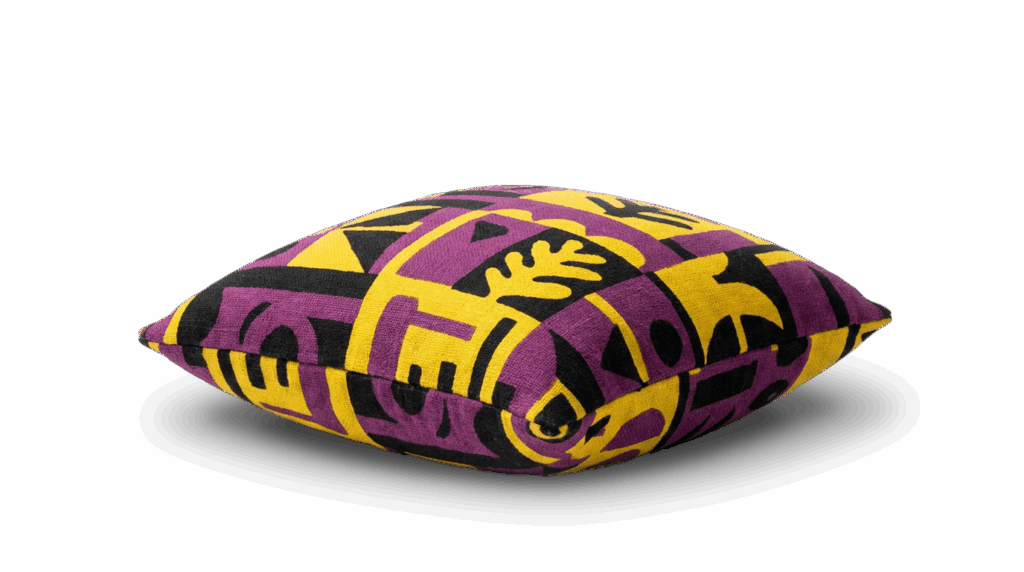
What Is Lyocell Fabric? Properties, Performance and Sustainable Production
Lyocell occupies a unique place in contemporary textile design. It delivers the softness of silk, the breathability of linen, and the durability of well-constructed cotton — all while being manufactured using closed-loop chemistry that recycles 99% of production chemicals back into the system. For designers committed to sustainability without sacrificing performance or luxury feel, lyocell has become the fabric of choice.
This guide explains what lyocell is, how it performs, and why it's becoming essential in eco-conscious fashion.
What Exactly Is Lyocell?
Lyocell is a semi-synthetic fiber derived from sustainably harvested wood pulp. Unlike polyester (petroleum-based) or traditional acetate (which uses toxic solvents), lyocell is produced via a closed-loop process that minimizes environmental impact at every stage.
The Production Process
- Harvesting: Wood is sourced from sustainably managed forests (typically certified by the Forest Stewardship Council or similar)
- Pulping: The wood is converted to wood pulp using standard pulping techniques
- Dissolution: The pulp is dissolved in an environmentally benign solvent (N-methylmorpholine-N-oxide, or NMMO)
- Spinning: The dissolved pulp is extruded through spinnerets into fiber form
- Regeneration: The fiber solidifies and is washed
- Recycling: Approximately 99% of the solvent is recovered and reused
The result is a fiber that's genuinely sustainable at both the material and processing levels.
The Physical Properties of Lyocell
Lyocell's distinctive hand feel comes from its fiber structure. Under microscopy, lyocell fibers have a smooth surface that creates an exceptionally soft textile. This smoothness also allows light to reflect subtly, giving lyocell fabrics a refined sheen.
Softness
Lyocell rivals silk in tactile luxury. It's gentle against sensitive skin and feels luxurious against bare skin — a significant advantage in intimate apparel and lightweight clothing.
Drape
The fiber naturally creates fluid, elegant drape. Garments made from lyocell move gracefully with the body rather than clinging rigidly. This is why lyocell works beautifully for flowing dresses, scarves, and fluid blouses.
Breathability
Lyocell fibers are hygroscopic — they absorb and release moisture efficiently. This means:
- Body heat passes through the fabric easily, keeping you cool
- Moisture (sweat) moves away from skin rather than clinging
- Reduced bacterial growth because the fabric doesn't trap moisture
- Natural odor resistance (garments stay fresher longer between washes)
Moisture Management
Unlike cotton, which absorbs moisture and stays damp, lyocell absorbs moisture and releases it quickly. This makes lyocell ideal for warm weather or active wear where drying speed matters.
Strength and Durability
Despite its silky feel, lyocell is actually stronger than cotton. The fibers don't break down easily under stress, meaning garments last longer and can be constructed at lighter weights without sacrificing durability.
Wrinkle Resistance
Lyocell naturally resists creasing better than cotton. A lyocell garment right out of the dryer looks more polished than an equivalent cotton piece, reducing ironing time.
Performance Advantages
Temperature Regulation
Because the fabric breathes exceptionally well and moisture moves through it efficiently, lyocell adapts to your body temperature. In summer heat, it feels cool. In mild weather, it provides gentle warmth without trapping body heat.
Versatile Aesthetics
Lyocell can be manufactured into various weights and weaves, making it suitable for diverse applications:
- Lightweight lyocell (summer dresses, blouses, scarves)
- Medium-weight lyocell (everyday wear, workwear)
- Lyocell blends with cotton or elastane (activewear, fitted garments)
- Structured lyocell weaves (as alternatives to denim or wool suiting)
Dye Affinity
Lyocell accepts dyes readily and completely, resulting in rich, vibrant colors that hold through many wash cycles. This makes it excellent for print applications — custom designs show exceptional clarity and color saturation.
The Minor Limitations
Lyocell is nearly ideal, but a few considerations matter:
Pilling Risk
Under friction (such as rubbing against a bag strap), lyocell can pill — small balls of fiber form on the surface. This isn't unique to lyocell; it affects many soft fibers including cotton and wool. Pilling can be prevented with proper care and reduced by finishing treatments applied during manufacturing.
Processing Still Uses Chemicals
While the closed-loop system recycles 99% of solvents, the manufacturing process does involve chemicals. It's significantly gentler than conventional viscose production (which uses less benign solvents), but it's not "natural" in the way linen or hemp are. This is a trade-off: closed-loop processing with managed chemicals versus open-loop systems with chemical emissions.
Cost
Lyocell costs more than conventional cotton but less than silk or linen at premium grades. For designers balancing sustainability with budget, this positioning matters.
Care and Maintenance
Proper care extends a lyocell garment's lifespan and maintains its appearance.
Washing
By Hand (Preferred):
- Use cool water and a gentle detergent
- Avoid wringing or twisting; gently squeeze out excess water
- This minimizes stress on fibers and prevents pilling
Machine Washing (Acceptable):
- Use a delicate cycle at cool temperature
- Lower spin speed prevents fiber stress
- Use a mesh laundry bag for extra protection if desired
- Avoid heavy agitation or high heat
Drying
- Air drying is gentlest and preserves the fabric best
- If using a dryer, use low heat
- Remove promptly to minimize wrinkles
Ironing and Pressing
- Lyocell is naturally wrinkle-resistant; minimal pressing is usually needed
- If ironing is necessary, use medium heat
- A steamer is ideal and prevents shine marks that can occur with direct iron contact
- Iron from the reverse side to protect the fabric face
General Care
- Turn garments inside-out to protect the face from pilling
- Wash with similar colors to prevent dye transfer (especially with rich colors)
- Avoid bleach and harsh chemicals
- Store in a cool, dry place away from direct sunlight
Lyocell in Fashion and Design
For Dresses and Blouses
Lyocell's drape and softness make it ideal for elegant, flowing silhouettes. The fabric elevates simple designs.
For Activewear
Blended with elastane, lyocell creates breathable, moisture-wicking sportswear that feels less plastic-y than pure polyester.
For Intimate Apparel
The softness and breathability of lyocell make it perfect for undergarments, loungewear, and sleep wear.
For Scarves and Accessories
Lyocell scarves drape beautifully and feel luxurious against skin.
For Summer Collections
The natural cooling properties make lyocell a go-to for warm-weather capsule collections.
Lyocell vs. Alternatives
| Characteristic | Lyocell | Cotton | Linen | Silk |
|---|---|---|---|---|
| Softness | Excellent | Good | Fair | Excellent |
| Drape | Excellent | Good | Fair | Excellent |
| Breathability | Excellent | Good | Excellent | Good |
| Durability | Very Good | Good | Excellent | Fair |
| Ease of Care | Easy | Easy | Moderate | Difficult |
| Sustainability | Excellent | Good (organic) | Good | Poor |
| Cost | Moderate-High | Low-Moderate | Moderate | High |
Lyocell emerges as the strongest all-around choice for designers seeking luxury, sustainability and practical wearability.
Printing Custom Designs on Lyocell
Lyocell is exceptionally rewarding for custom printing. The fiber's smooth surface and dye affinity mean prints achieve:
- Excellent color saturation and richness
- Sharp detail reproduction
- Long-lasting color through many washes
- Vibrant appearance that doesn't fade quickly
When commissioning lyocell prints:
- Request test swatches to verify color and print quality on the specific weight you're using
- Ensure your design is optimized for the fabric's natural sheen (matte designs sometimes benefit from matte finish inks)
- Plan for the fiber's moisture-wicking properties (prints don't "bleed" or run on lyocell the way they might on more absorbent fabrics)
The Sustainability Narrative
Choosing lyocell signals values to your customers. It demonstrates commitment to:
- Renewable sourcing (sustainably managed forests vs. petroleum)
- Closed-loop manufacturing (chemical recycling and minimal waste)
- Low water consumption (dramatically less than cotton)
- Minimal emissions (responsible chemical management)
- Durability (garments last longer, reducing replacement and waste)
Marketing your collection with lyocell stories — the closed-loop process, the forest certification, the durability — resonates with contemporary consumers who understand fashion's environmental footprint.
Making Lyocell Part of Your Brand
If you're new to lyocell, start with one signature piece:
- Design a classic dress or blouse in a weight that suits your aesthetic
- Commission a small custom print to make it distinctly yours
- Gather customer feedback on feel, performance and fit
- Expand to additional pieces as you understand how lyocell behaves
Lyocell elevates any collection. It's one of the few fabrics that's simultaneously luxurious and responsible — a rare combination that justifies premium pricing and builds brand loyalty among conscious consumers.
Ready to explore lyocell options for your next collection? [link to Vivix Prints contact page] — we work with lyocell fabrics and can advise on weight selection, custom printing, and how to market lyocell's sustainability benefits to your customers.