Understanding Sublimation Printing: The Complete Guide to Heat Transfer Fabric Printing
Sublimation printing stands out as one of the most versatile and reliable techniques for transferring custom designs directly onto fabric. Whether you're creating sportswear, home decor, or apparel, sublimation offers exceptional colour vibrancy and durability that rivals traditional methods. This comprehensive guide walks you through how it works, when to use it, and why it's become the go-to choice for serious designers.
How the Sublimation Printing Process Works
Sublimation printing involves a fascinating transformation: special ink becomes gas under heat and pressure, then bonds permanently with synthetic fabric fibres. The journey from concept to finished product follows four essential stages.
Design Preparation: Begin with your artwork in a design application. The quality of your digital file directly impacts the final result, so invest time in making sure colours and details are exactly as you envision them.
Transfer Printing: Your design gets printed onto sublimation transfer paper using an industrial sublimation printer and specialized ink. This intermediate step is crucial — the ink sits on the paper, waiting to be activated.
Heat Transfer: This is where the magic happens. A heat press applies precise temperature and pressure to the transfer paper and fabric simultaneously. The heat causes the sublimation ink to transition directly into a gas state, which penetrates the synthetic material's fibres and creates a permanent molecular bond.
Quality Assurance: Before shipping, every piece is inspected to confirm colours are vibrant, details are sharp, and the overall quality meets exacting standards. Any piece falling short of expectations gets reprinted.
What Makes Sublimation Printing Different?
Sublimation requires two specialized machines working in tandem. The sublimation printer handles the initial design transfer onto specialty paper. Then the heat press takes over, applying temperature and pressure to force the gas-phase ink into the fabric's structure. This two-step process is what delivers the permanent, fade-resistant results that make sublimation so valued across the textile industry.
Why Sublimation Ink Cannot Be Used for Regular Printing
Sublimation ink is engineered specifically for materials with special molecular structures that accept the gas-phase dye. Regular paper lacks these properties, and the ink won't perform as intended. Conversely, regular printing inks won't sublimate on synthetic fabrics — they sit on the surface rather than bonding with the fibres. Each ink type is formulated for its intended purpose.
The Advantages of Sublimation Printing on Fabric
Sublimation delivers several compelling benefits that explain its widespread adoption.
Permanent, Vibrant Colours: The dye penetrates deep into synthetic fabric fibres, creating colours that won't fade with washing, sunlight, or time. This permanence comes from the molecular bond itself — there's no surface coating to crack or peel.
Full Design Freedom: Unlike screen printing, sublimation has no colour limitations. You can reproduce any shade, gradient, or photographic image. This makes it ideal for complex artwork, photographs, and designs requiring subtle colour transitions.
Complete Customization: Upload your unique design and get exactly what you envision printed. There's no minimum order volume — design flexibility works at every scale.
Soft Hand-Feel: Because the dye bonds with the fabric rather than sitting atop it, the garment maintains its natural texture and breathability. There's no rigid ink layer that can crack or feel uncomfortable.
Eco-Conscious Process: Sublimation uses water-based inks and requires minimal water during production compared to traditional dyeing methods.
Limitations and Challenges of Sublimation Printing
Not every project suits sublimation — understanding its constraints helps you choose wisely.
Synthetic Materials Only: The process only works on polyester or polyester-coated materials. Natural fibres like cotton, silk, and linen cannot be sublimated in their uncoated form. This is a hard boundary: the fabric's molecular structure must be compatible.
Limited to Light Base Colours: Sublimation ink is transparent, so it works beautifully on white, cream, and light pastel bases but cannot produce opaque coverage on dark fabrics. Printing a vibrant red design on a navy fabric won't work as expected — the red will appear muddy or fail to show.
White Creasing Risk: If fabric or transfer paper gets folded during printing, the ink can't reach those creases, leaving white lines that disrupt the design. Careful handling during production is essential.
Printing on Dark Synthetic Fabrics
When base colour matters, sublimation demands white or very light synthetic fabric. At Vivix Prints, we focus our sublimation offerings on light-base polyester and specialty materials where the process shines. If a dark fabric is essential to your design, alternative printing methods such as screen printing or direct-to-garment (DTG) offer better results.
Why We Use Sublimation Printing at Vivix Prints
Over one-third of our customer designs end up printed on recycled polyester, making sublimation an everyday tool in our production workflow. We've invested in top-tier sublimation equipment precisely because this method delivers exceptional results for our clients' most demanding projects. The sustainability angle resonates too: recycled polyester gives textile waste a new life, and sublimation's minimal water consumption complements that environmental commitment.
The inks we use are themselves sustainable formulations, and the process generates virtually no wastewater. When you choose sublimation printing on recycled polyester, you're making a choice that reduces your environmental footprint without sacrificing visual impact.
Sublimation Printing on Recycled Polyester
Recycled polyester is an ideal substrate for sublimation. It has the same dye-receptive properties as virgin polyester — moisture-wicking, quick-drying, wrinkle-resistant — but comes with genuine environmental benefits. Old PET bottles get a second life as high-quality fabric, diverting waste from landfills while supporting the circular economy.
The sublimation process itself remains identical: design creation, transfer printing, heat and pressure application, then quality inspection. The result is indistinguishable from sublimation on virgin polyester, but with a far smaller environmental cost.
What Products Work Best with Sublimation?
Sublimation is remarkably versatile across product categories.
Apparel & Fashion: Custom t-shirts, longsleeves, hoodies, jerseys, and sweatshirts all take sublimation beautifully. The vibrant, all-over prints are especially striking on polyester performance wear and athletic cuts. Consider recycled polyester options like peach jersey, sweat jersey, and French terry for sustainable collections.
Sportswear & Athletic: Sublimation is industry-standard for custom sports uniforms because of its durability and moisture-wicking compatibility. Fabrics like polyester mesh, athleisure blends, and performance knits are all ideal. Teams and athletes trust sublimation because the prints don't degrade under sweat and repeated washing.
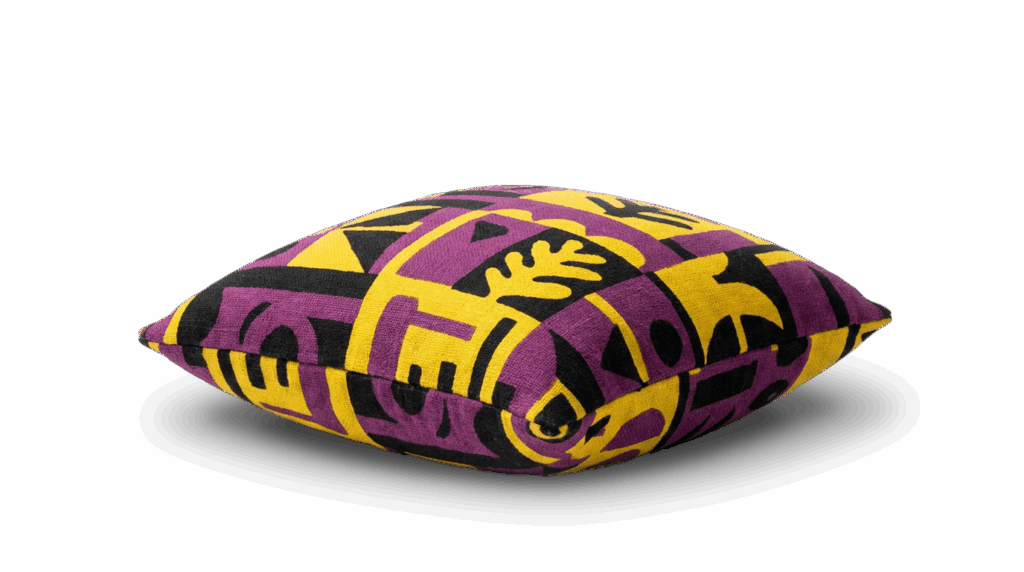
Home Decor: Cushions, plaids, curtains, tablecloths, and wall art all benefit from sublimation's colour richness. Canvas, chiffon, velvet, and silk satin options create distinctly different aesthetics — choose based on the look and feel you want.
Accessories: Bags, hats, and accessories made from canvas or poly blends are perfect for sublimation. The technique works equally well whether you're printing a bold all-over design or a subtle branded mark.
Essential Equipment for Sublimation Printing
Setting up a sublimation operation requires careful equipment selection.
- Sublimation Printer: A specialized inkjet machine that dispenses sublimation dye onto transfer paper with precision.
- Heat Press: A machine capable of applying consistent, controllable heat and pressure across the entire fabric surface.
- Sublimation Ink: Specialized dye formulated to transition into gas under specific temperature conditions.
- Sublimation Transfer Paper: Coated paper designed to hold sublimation ink and release it cleanly when heated.
- Protective Materials: Protective sheets and Teflon layers prevent ink transfer to heat press surfaces and protect fabric from direct contact with the press.
Screen Printing vs. Sublimation Printing: Key Differences
Both techniques are popular, but they serve different purposes and work on different materials.
Material Compatibility: Screen printing works on cotton, canvas, leather, and virtually any woven or knit material. Sublimation is limited to polyester and synthetic substrates.
Process: Screen printing uses a stencil to push ink through mesh onto fabric. Sublimation uses heat to transform ink into gas that bonds molecularly with synthetic fibres.
Design Detail: Screen printing struggles with fine details and intricate designs. Sublimation excels at photographic images, gradients, and complex artwork.
Colour Quality: Sublimation produces more vibrant, fade-resistant colours that maintain brilliance through hundreds of washes. Screen prints are durable but can lose vibrancy over time, especially on light base colours.
Best For: Choose screen printing for cotton apparel, large orders, or simpler designs. Choose sublimation for polyester, multicolour complexity, and permanent colour retention.
Which Printing Method Lasts Longer?
Both methods create durable prints when properly executed. Screen printing remains popular for high-volume work and cost-effectiveness. Sublimation edges ahead for longevity and colour permanence, especially on athletic wear and performance fabrics where moisture and sweat are factors. For most applications, a sublimation print will retain its vibrancy longer than a screen-printed equivalent.
Sustainable Sublimation Printing on Recycled Polyester
Choosing sublimation on recycled polyester aligns design ambition with environmental responsibility. The fabrics themselves reduce landfill waste and raw material demand. The process uses minimal water and ecological inks. At Vivix Prints, we've built our sublimation practice around this combination: premium quality, vibrant results, and a genuine commitment to reducing fashion's environmental impact.
Ready to explore our recycled polyester options? Browse our collection of sustainable fabrics and discover how sublimation can bring your vision to life with colours that last.
Getting Started with Sublimation Printing
The path from concept to finished sublimation print is straightforward. Prepare your artwork to our technical specifications, select your preferred synthetic fabric, upload via our design platform, and we handle the rest. Whether you're ordering a single test piece or a full production run, sublimation printing scales to fit your needs.
Have questions about whether sublimation suits your project? Our team is happy to discuss your vision and recommend the best technique, substrate, and production approach for your unique design goals.